Handy: A Vintage Serif Font for Business Branding
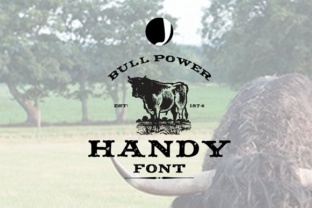
When you are building a brand that needs to stand out in a crowded market, choosing the right Fonts is one of the most critical decisions you will make. Handy is not just another typeface; it is a strategic design asset that brings immediate character and depth to your visual identity. As a small business owner, you know that consistency builds trust, and this Serif font offers a distinct vintage style inspired by old posters from the eighteenth century. By integrating Handy into your marketing materials, you give your designs a unique flavor that feels both historical and fresh, helping customers remember your name long after they have seen your logo.
Using Handy for Authentic Product Packaging and Labels
In the world of retail, especially for handmade goods, artisanal foods, or boutique cosmetics, packaging is your silent salesperson. Handy shines brightest when applied to physical touchpoints like product labels, jar stickers, and box wraps. Because this Serif font draws inspiration from eighteenth-century poster art, it naturally conveys a sense of tradition, craftsmanship, and quality. Imagine a small-batch honey brand using Handy for its main logo on a glass jar; the thick strokes and classic serifs suggest heritage and reliability without needing extra graphics. Similarly, a handmade candle business can use this font to label scent names, creating an upscale, apothecary-style aesthetic that justifies a premium price point. When you select Fonts for packaging, readability at small sizes is key, and Handy maintains its structural integrity even when scaled down for narrow labels, ensuring your brand remains legible and professional on the shelf.
Elevating Social Media Graphics with Vintage Typography
Your digital presence requires visuals that stop the scroll, and Handy provides the perfect typographic voice for Instagram posts, Pinterest pins, and Facebook ads. Many entrepreneurs struggle to make their social media content look cohesive, but using a consistent display font like Handy solves this problem instantly. This Serif typeface works exceptionally well for quote graphics, promotional announcements, and story highlights because its bold personality commands attention. For instance, a life coach or consultant can use Handy to highlight key takeaways in carousel posts, giving the content an authoritative yet approachable feel. Since Handy is inspired by old posters, it pairs beautifully with textured backgrounds, sepia tones, or minimalist modern photography, allowing you to create a versatile content library. By making Handy a staple in your digital Fonts toolkit, you ensure that every post reinforces your brand’s unique narrative, making your feed look curated and intentional rather than chaotic.
Creating Memorable Logos and Business Identity Systems
A logo is the cornerstone of your brand identity, and the typeface you choose defines how customers perceive your business values. Handy is an excellent choice for businesses that want to project stability, creativity, and a touch of nostalgia. Whether you run a vintage clothing store, a classic barbershop, or a heritage bakery, this Serif font communicates your niche immediately. Unlike generic sans serif options that can feel cold or corporate, Handy adds warmth and personality. When designing your logo, consider using Handy for the primary business name while keeping iconography simple to let the typography speak. This approach ensures that your brand remains recognizable across various applications, from website headers to embroidered uniforms. Investing in high-quality Fonts like Handy for your logo design prevents your brand from looking amateurish, signaling to potential clients that you pay attention to detail and care about presentation.
Designing Professional Menus and Print Collateral
For hospitality businesses and service providers, printed materials such as menus, flyers, business cards, and thank-you notes are essential for customer retention. Handy brings a sophisticated, editorial look to these items, making them feel like keepsakes rather than disposable paper. A café owner might use Handy for section headers on a menu, such as "Espresso" or "Pastries," creating a clear visual hierarchy that guides the customer’s eye. The vintage inspiration behind this Serif font complements rustic or industrial interior designs, enhancing the overall atmosphere of the physical space. Furthermore, using Handy on business cards and thank-you notes adds a personal, thoughtful touch that encourages repeat business. When you choose Fonts for print, you must consider ink coverage and paper texture; Handy’s robust letterforms print cleanly on various stock types, ensuring your collateral looks expensive and well-produced.
Pairing Handy with Complementary Typefaces for Balance
While Handy is strong enough to stand alone as a display font, pairing it with a complementary typeface can enhance readability and visual interest in longer documents or website layouts. A common and effective strategy is to pair this decorative Serif font with a clean, neutral sans serif font for body text. This contrast allows Handy to shine in headlines and call-to-action buttons while ensuring that paragraphs remain easy to read on mobile screens and desktops. For example, a wedding invitation suite might feature Handy for the couple’s names and date, paired with a lightweight sans serif for the venue details and RSVP information. This balance prevents the design from feeling too heavy or outdated. Experimenting with different Fonts combinations helps you find the perfect rhythm for your brand voice, ensuring that Handy enhances rather than overwhelms your message.
Ensuring Commercial Licensing and Brand Consistency
Before implementing Handy across all your business channels, it is vital to verify the commercial licensing terms to protect your brand legally. Using properly licensed Fonts ensures that you can safely apply the typeface to products for sale, digital templates, client work, and merchandise without copyright issues. Once licensed, maintain consistency by creating a brand style guide that specifies exactly how and where to use Handy. Define its role as your primary display font for headings and logos, and stick to this rule across your website, social media, and packaging. This discipline builds brand recognition, making your business look established and trustworthy. By treating Handy as a core component of your visual strategy, you leverage its unique eighteenth-century charm to create a cohesive, professional, and memorable brand identity that resonates with your target audience.